


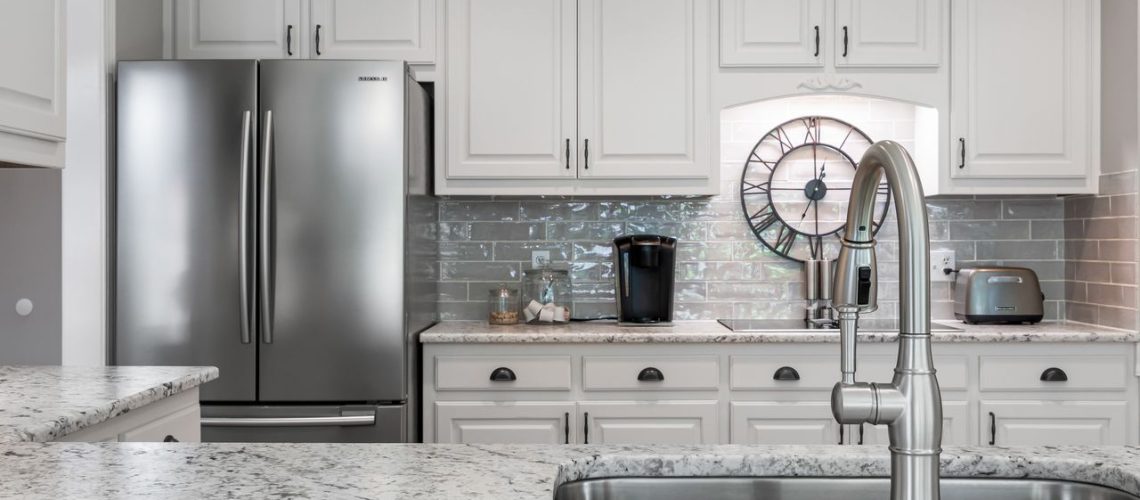
A kitchen sink takes more daily abuse than almost any other fixture in the home — hot pans, dropped cutlery, scouring pads, and constant water exposure. Yet many buyers focus only on shape, bowl configuration, or finish, without ever asking the one question that determines how a sink will actually perform for the next fifteen to twenty years: how thick is the steel? The thickness of stainless steel used in a sink — commonly referred to in the industry as its “계량기” — has a direct, measurable impact on durability, sound, and long-term value. This guide breaks down what gauge really means, how thicker-gauge sinks are manufactured differently from thin, mass-pressed models, and why specifying heavier steel is one of the smartest decisions a homeowner, kitchen designer, or wholesale buyer can make.
What Does “Sink Gauge” Actually Mean?
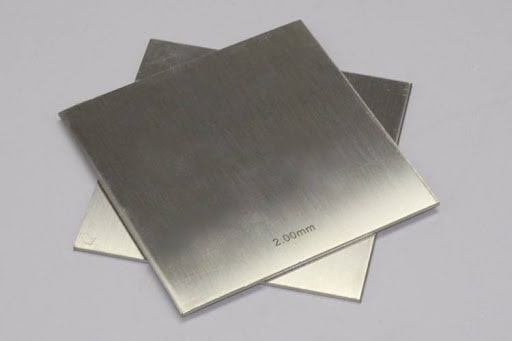
Stainless steel sheet is sold and specified by gauge, a standardized numbering system for sheet metal thickness. Confusingly for newcomers, the scale runs in reverse: the lower the gauge number, the thicker the steel. A 16-gauge sheet is noticeably thicker — and stronger — than a 22-gauge sheet of the same alloy, even though “22” looks like the bigger number.
According to Elkay’s technical reference on stainless steel sinks, 14 to 18 gauge material is typically reserved for commercial-grade sinks, while 16 to 18 gauge is the standard for premium residential models, and 20 to 22 gauge is used for entry-level, budget-driven product lines. Below is a quick reference chart converting the most common gauges into millimetres and inches.
Gauge | Thickness (mm) | Thickness (inch) | Typical Application |
16G | ≈ 1.5 mm | ≈ 0.063″ | Premium residential & commercial-grade sinks |
18G | ≈ 1.2 mm | ≈ 0.047″ | Standard high-quality residential sinks |
20G | ≈ 1.0 mm | ≈ 0.035″ | Entry-level residential / secondary sinks |
22G | ≈ 0.8 mm | ≈ 0.031″ | Budget imports, light-duty use |
Handcrafted vs. Press-Formed: Why Manufacturing Method Matters as Much as Gauge
Not all sinks of the same nominal gauge are equal, because the forming process itself affects the final thickness of the finished bowl. There are two dominant manufacturing methods in the industry:
- Press-formed (stamped) sinks: A flat sheet of steel is stamped and stretched under a hydraulic press to form the bowl in one or two draws. Because the metal is stretched, the base and corners end up noticeably thinner than the original sheet — sometimes 15–20% thinner than the flat stock.
- Handcrafted (laser-cut and welded) sinks: Steel panels are laser-cut, bent, and welded seam-by-seam by skilled fabricators. Since the metal is folded rather than stretched, the thickness stays consistent from the rim all the way to the base of the bowl.
This is why a handcrafted sink and a pressed sink of the “same” 18-gauge rating can feel and perform quite differently in real use — the pressed version has already lost some of its thickness in the forming process before it even reaches your kitchen.
특징 | Handcrafted (Welded) Sinks | Press-Formed (Stamped) Sinks |
Thickness consistency | Uniform from rim to base | Thinner at base and corners due to stretching |
Typical raw thickness | 1.0 mm – 1.5 mm | 0.8 mm – 1.0 mm |
Usable bowl space | Larger, with tighter corner radius | More volume lost to wide, stretched corners |
Best suited for | Premium retail and OEM/ODM branded lines | High-volume, cost-sensitive orders |
Six Real Benefits of Choosing a Thicker-Steel Kitchen Sink
1. 우수한 덴트 및 충격 저항
A heavier gauge of steel simply has more mass to absorb an impact. Drop a cast-iron skillet or the pointed tip of a chef’s knife into a thin 22-gauge sink and you risk a permanent dent or ding. A 16- or 18-gauge sink shrugs off the same impact without deforming, which matters enormously in busy family kitchens or commercial foodservice settings.
2. A Noticeably Quieter Kitchen
Thin steel behaves like a drum skin — every dropped fork or running tap resonates and echoes. Thicker steel has more mass to dampen vibration, and manufacturers can also bond sound-deadening pads to the underside more effectively on a heavier bowl. As Ruvati’s comparison of 16-gauge and 18-gauge sinks notes, the added thickness of 16-gauge steel provides better noise reduction than thinner alternatives, which is one of the most noticeable differences buyers report after installation.
3. Resistance to Bowing and Long-Term Warping
A full sink basin holds a surprising amount of weight in water, dishes, and pots. Thin-gauge steel can gradually bow or flex under sustained load, especially around wide, unsupported spans. Thicker steel retains its shape over years of daily use, which protects the seal against the countertop and prevents leaks caused by a warped rim.
4. Better Corrosion Resistance When Paired with the Right Grade
Gauge and steel grade work together. According to worldstainless, the global stainless steel industry association, stainless steel’s resistance to rust comes from a self-healing, chromium-rich oxide layer that forms on the surface once chromium content reaches roughly 10.5%. A thicker sheet of food-grade 304 stainless steel gives that protective layer a more durable substrate to sit on, so scratches and everyday wear are less likely to expose the sink to long-term corrosion.
5. Larger, More Usable Bowl Space
Because handcrafted, thicker-gauge sinks are formed by bending rather than stretching, manufacturers can use a tighter corner radius without weakening the material. The practical result is a bowl that holds more usable volume for the same exterior footprint — useful for washing oversized stockpots or sheet pans.
6. Lower Lifetime Cost Despite a Higher Sticker Price
A thicker sink costs more upfront, but it rarely needs replacing. Thin, budget sinks tend to dent, discolour, or develop pinhole leaks within a few years, generating repeat replacement costs for homeowners and repeat warranty claims for distributors. Specifying 16- or 18-gauge steel from the start is almost always the lower-cost decision over a ten-to-twenty-year ownership period.
Comparing Sink Gauges at a Glance
Performance Factor | 16–18 Gauge (Thick Steel) | 20–22 Gauge (Thin Steel) |
Dent resistance | 높은 | Low to moderate |
Noise level | Quiet, dampened | Louder, more resonance |
Long-term shape retention | Excellent | Prone to bowing over time |
Relative weight | Heavier, still manageable for most installs | Lighter, easier to handle |
Typical lifespan | 15+ years with proper care | 5–10 years before visible wear |
Choosing the Right Gauge for Your Project
The correct gauge depends on how the sink will be used and who will be using it:
- Residential kitchens with heavy daily use: 16-gauge offers the best combination of durability and noise control for a busy family kitchen.
- Standard residential renovations: 18-gauge remains the industry sweet spot, balancing performance with a more accessible price point.
- Commercial kitchens and high-traffic settings: 16-gauge, or heavier, is strongly recommended to withstand constant use and repeated impact.
- Private-label and wholesale programs: Buyers sourcing under OEM/ODM agreements should confirm gauge, steel grade, and forming method in writing, since “스테인레스 스틸” alone does not guarantee thickness or quality.
How Chica Dragon Manufactures Thicker-Gauge Sinks
로서 dedicated stainless steel sink manufacturer based in Guangdong, China since 2008, Chica Dragon produces both stamped and fully handcrafted sinks, using 16-gauge (≈1.5 mm) or 18-gauge (≈1.2 mm) T304 food-grade stainless steel as standard, with 316-grade available on request for marine or high-corrosion environments.
Handcrafted models are laser-cut, bent, and welded by hand to keep thickness consistent across the full bowl, including tight-radius corners — a construction method used across the brand’s undermount 그리고 apron-front farmhouse sink ranges. Buyers can review available finishes and raw materials on the Chica Dragon materials page, and see how these specifications have been applied on real projects in the case studies section.
Frequently Asked Questions
Is 16-gauge or 18-gauge better for a kitchen sink?
Both are considered premium options. 16-gauge is thicker and offers marginally better dent resistance and noise dampening, making it the preferred choice for heavy-use or commercial kitchens. 18-gauge is slightly lighter and more budget-friendly while still outperforming 20- and 22-gauge sinks in daily use.
Does a thicker sink mean a heavier installation load?
Yes, thicker sinks weigh more, but standard cabinetry and countertop supports are designed to accommodate 16- to 18-gauge stainless steel sinks without additional reinforcement in most residential installations.
Can I tell the gauge of a sink just by looking at it?
Not reliably. Gauge should always be confirmed in the product specification sheet or purchase order, since visual inspection alone cannot distinguish between similar-looking sinks made from different steel thicknesses.
Does thicker steel automatically mean better corrosion resistance?
Thickness and corrosion resistance are related but not identical. Corrosion resistance primarily comes from the chromium content of the steel grade (such as 304 or 316), while thickness affects how long that protective surface can withstand scratching and wear before the base metal is exposed.
Is a handmade sink always better than a pressed sink?
Handmade sinks generally offer more consistent thickness and a larger usable bowl, making them the preferred choice for premium product lines. Press-formed sinks remain a practical, cost-effective option for high-volume orders where budget is the primary constraint.
Ready to Source Thicker-Gauge Sinks That Last?
If durability, quiet performance, and long-term value matter to your customers, it starts with the steel. 용 소녀 manufactures premium 16- and 18-gauge T304 stainless steel sinks — both handcrafted and press-formed — with full OEM/ODM customization for gauge, corner radius, installation type, and finish. Whether you need undermount, farmhouse, 또는 nano PVD-coated sinks, our team can build a specification sheet, sample, and quote around your exact gauge and grade requirements. Get a quick quote from Chica Dragon today and build your next sink collection on steel that’s built to last.
