


A kitchen sink looks like a simple fixture, but the number of bowls it has quietly decides how the whole kitchen works. It sets how you wash a stockpot, where the coffee grounds go while the pasta drains, and whether two people can use the sink at once without elbowing each other. Get the bowl count wrong and you’ll be working around the sink for the next fifteen years; get it right and you barely think about it at all.
According to the National Kitchen & Bath Association, the sink is one of the three anchor points of the kitchen work triangle, alongside the cooktop and refrigerator, and its landing space and configuration directly affect how efficiently a cook moves through prep, cleanup and storage. In other words, the sink isn’t just plumbing — it’s a workflow decision. This guide breaks down what a single, double, or triple bowl sink actually does well, where each one falls short, and how to size the choice to your kitchen.
What Actually Changes When You Add a Bowl
Before comparing configurations, it helps to know which variables bowl count really affects:
- Workflow — can you soak, rinse, and prep at the same time, or does everything queue up in one basin?
- Cabinet fit — bowl count and layout are constrained by your base cabinet width, typically 24″–36″ for residential kitchens.
- Dishwasher use — households that run a dishwasher daily need less hand-washing capacity than those that don’t.
- Cookware size — stockpots, sheet pans, and roasting trays need at least one bowl wide and deep enough to hold them fully submerged.
- Household size and kitchen role — a single-cook apartment kitchen has very different needs from a family kitchen or a commercial-style island.
One Bowl: The Single-Basin Sink
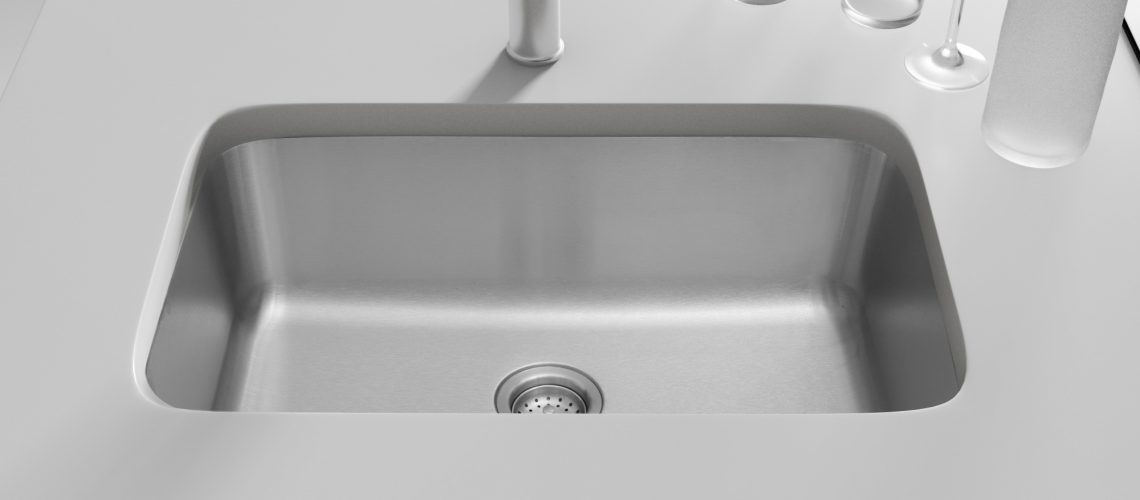
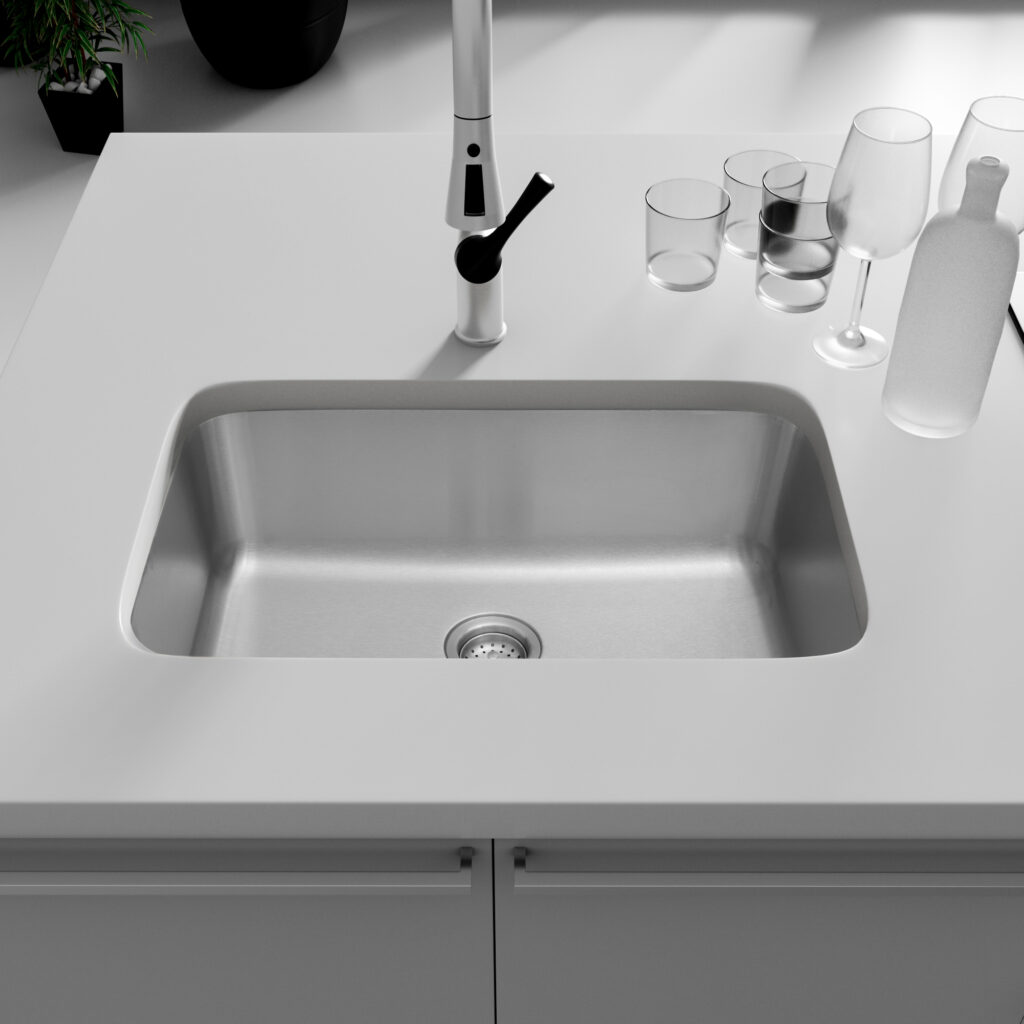
A single bowl gives you one uninterrupted basin, usually the full width of the cabinet. It’s the simplest configuration to install, the easiest to keep clean, and it’s the only layout that comfortably fits oversized cookware — sheet pans, stockpots, and roasting trays lie flat instead of straddling a divider. That’s why single bowls dominate in compact kitchens, rental units, laundry/utility rooms, and behind kitchen islands where the priority is prep space, not multitasking.
The tradeoff is that everything shares one basin — soaking, rinsing, and washing all happen in the same space, so a stack of dirty dishes can block the tap while you’re trying to fill a pot.
Attribute | Typical Range | Best Suited For |
Cabinet width | 24″ – 30″ | Apartments, galley kitchens, utility rooms |
Profundidad del tazón | 8″ – 10″ | Soaking stockpots, oversized bakeware |
Gauge (stainless) | 16 – 18 gauge, T304 | High daily use without denting |
Chica Dragon example | CH4949 round-bowl single, 16 gauge, top mount | Bar sinks, prep islands, secondary sinks |
Two Bowls: The Everyday Workhorse
The double bowl is the default choice in most North American and European kitchens, and for good reason. Splitting the basin lets you soak on one side and rinse or stage clean dishes on the other, which becomes especially useful if you don’t run a dishwasher daily. The EPA’s WaterSense program notes that hand-washing in a plugged or divided basin uses meaningfully less water than washing under a continuously running tap — a good argument for a double bowl in any household that hand-washes regularly.
Double bowls come in two common layouts:
- 50/50 (equal) — two identically sized bowls, best when both sides need to handle full-size dishes.
- 60/40 or 70/30 (offset) — one larger bowl for pots and pans, one smaller bowl for rinsing, prep, or a garbage disposal.
Chica Dragón CH8049 undermount double bowl is a practical reference point: a 31½” × 19¾” 16-gauge 304 stainless sink with two equal 15″ × 15″ bowls at 9″ depth — sized to fit a standard 33″–36″ base cabinet while still holding a full-size stockpot in either basin. For a closer look at how the two layouts compare in daily use, see our earlier post, ¿Lavabo doble o lavabo simple?.
Attribute | Typical Range | Best Suited For |
Cabinet width | 30″ – 36″ | Family kitchens, no daily dishwasher use |
Common splits | 50/50, 60/40, 70/30 | Balancing pot-washing vs. rinsing space |
Gauge (stainless) | 16 gauge, T304, satin or brushed finish | Sound-dampened, scratch-resistant daily use |
Chica Dragon example | CH8049 / CH8247DB, 16 gauge undermount | Standard replacement or new-build installs |

Three Bowls: Built for Bigger Kitchens and Commercial Flow
A triple bowl sink adds a third, usually smaller and shallower, basin between two standard bowls. The two outer basins handle washing and rinsing, while the center bowl is reserved for prep work — rinsing produce, staging a garbage disposal, or filtering waste before it reaches the drain. This layout shows up most often in large family kitchens, kitchen islands, and commercial or semi-commercial settings where more than one task — or more than one person — needs the sink at the same time. Our Kitchen Sink Buyer’s Guide goes into more detail on how triple bowls are used to split washing, rinsing, and prep across a busy kitchen.
Because a triple bowl needs the most cabinet width of the three options, it’s worth confirming your base cabinet dimensions before specifying one — most triple layouts need at least a 40″–48″ cabinet run to keep every basin usable.
Side-by-Side Comparison
Bowl Count | Minimum Cabinet Width | Strength | Watch-Out |
1 Bowl | 24″ | Handles oversized cookware; easiest to clean | No dedicated rinsing zone |
2 Bowls | 30″ | Splits wash/rinse tasks; most versatile for daily use | Each bowl is narrower than a single-basin sink |
3 Bowls | 40″+ | Supports multiple simultaneous tasks or users | Requires the most counter and cabinet space |
Material Also Shapes the Decision
Bowl count isn’t the only variable — material affects how each configuration performs. Chica Dragon manufactures both T304 stainless steel sinks in 16- or 18-gauge thickness and fregaderos compuestos de granito made from an 80% granite-particle, 20% acrylic-resin blend. Stainless is lighter and easier to retrofit into an existing cutout, which matters more as bowl count — and sink weight — increases; granite composite adds mass and heat resistance (rated to 200°C) that some buyers prefer in a large single or double bowl. Consumer Reports’ sink buying guide notes that stainless steel remains the most widely purchased kitchen sink material in North America, largely because gauge and finish matter more to long-term performance than thickness alone.
How to Decide
- Measure your base cabinet first — it sets a hard ceiling on how many bowls will actually fit.
- If you run a dishwasher daily, a single or standard double bowl is usually enough.
- If you hand-wash regularly or lack a dishwasher, a double or triple bowl saves water and speeds up cleanup.
- If you cook with oversized cookware often, keep at least one bowl at full cabinet width.
- If more than one person uses the kitchen at once, a triple bowl or offset double bowl reduces bottlenecks.
Find The Right Bowl Configuration
With ChicaDragon
Whichever configuration fits your project, Chica Dragon manufactures single, double, and triple bowl sinks in both T304 stainless steel and granite composite, with 16- or 18-gauge options, multiple finishes, and MOQs from as low as 30 pieces. Every sink is backed by a 15-year warranty and full OEM/ODM support, from custom sizing to private-label packaging. Contact our team at artemis@chicadragon.com to request specifications, samples, or a quote for your next sink program.
