

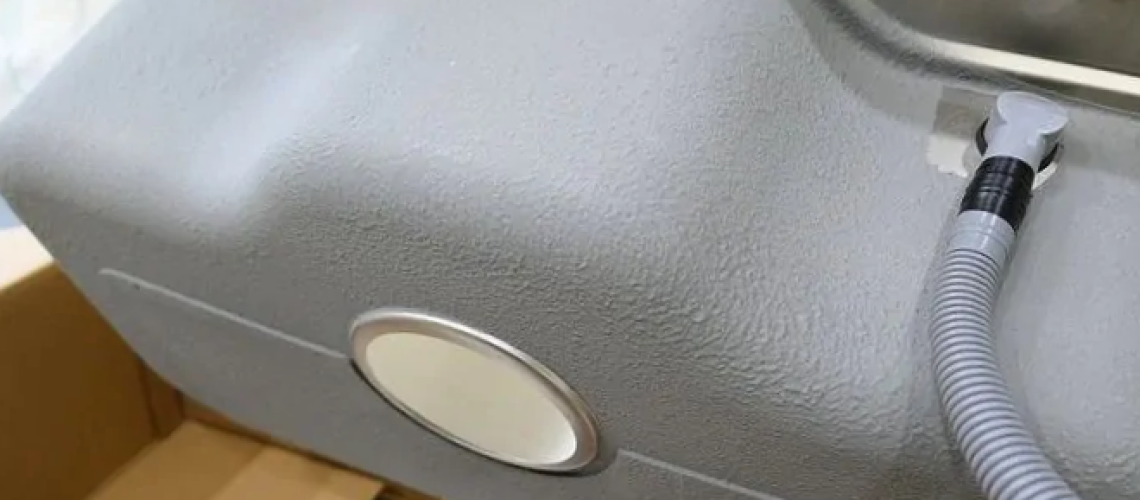
새 주방 싱크대를 구입할 때 대부분의 주택 소유자와 구매 전문가는 그릇 깊이, 강철 게이지, 표면 마감 등 명백한 사양에 중점을 둡니다. 체크리스트에 거의 포함되지 않지만 수년간 싱크대가 얼마나 잘 견디는지 조용히 결정하는 것은 바로 결로방지 코팅 아래쪽에 적용됩니다. 이 소박한 보호 층은 수십 년 동안 건조하고 구조적으로 견고한 주방 캐비닛과 설치 후 몇 년 이내에 휘어지거나 부풀어 오르거나 곰팡이가 발생하는 부엌 캐비닛 사이의 차이를 의미할 수 있습니다.
치카 드래곤에서는 결로 방지 코팅을 시공합니다. 스테인레스 스틸 주방 싱크대 as a standard feature because we believe kitchen quality should extend to every surface the homeowner never sees. Here’s what you need to know about this critical technology.
What Is Anti-Condensation Coating?
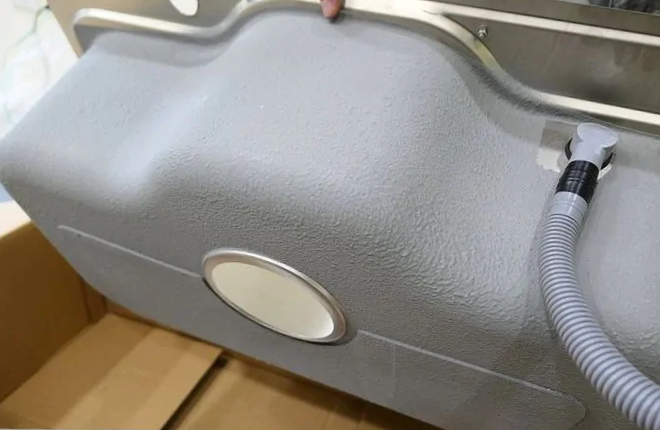
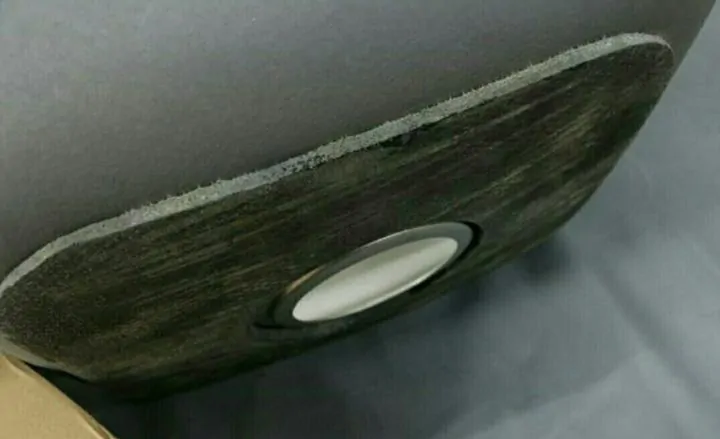
Anti-condensation coating — also referred to as undercoating or condensation-preventing coating — is a layer of insulating material applied to the exterior underside of a stainless steel sink basin. It is typically a rubberized compound, latex-based spray, or closed-cell foam that is bonded directly onto the steel after the sink has been fabricated and before it leaves the factory.
In a well-engineered sink, this coating works alongside an EVA foam or rubber sound-dampening pad 그릇 밑면에 이중층 시스템을 만듭니다. 이 두 레이어는 함께 보급형 스테인리스 스틸 싱크대에 대한 가장 일반적인 두 가지 불만 사항인 음향 성능과 습기 관리를 모두 해결합니다.
싱크대를 설치하면 코팅이 보이지 않습니다. 캐비닛 내부를 바라보고 있어 완전히 눈에 띄지 않게 작업을 수행합니다. 이로 인해 제조업체는 여기서 간단히 절차를 밟을 수 있으며, 구매자가 무엇을 요구해야 하는지 정확히 알아야 하는 이유도 바로 여기에 있습니다.
스테인레스 스틸에 응축된 과학
스테인레스 스틸은 우수한 열 전도체입니다. 싱크대에 찬물이 흐르거나 겨울에 실외 온도가 떨어지면 싱크대 밑면이 빠르게 냉각될 수 있습니다. 따뜻하고 습한 주방 공기가 차가운 금속 표면에 닿으면 수증기가 응결되어 액체 방울이 됩니다. 이는 여름날 차가운 유리잔이 '땀'을 흘리게 만드는 것과 동일한 물리적 과정입니다.
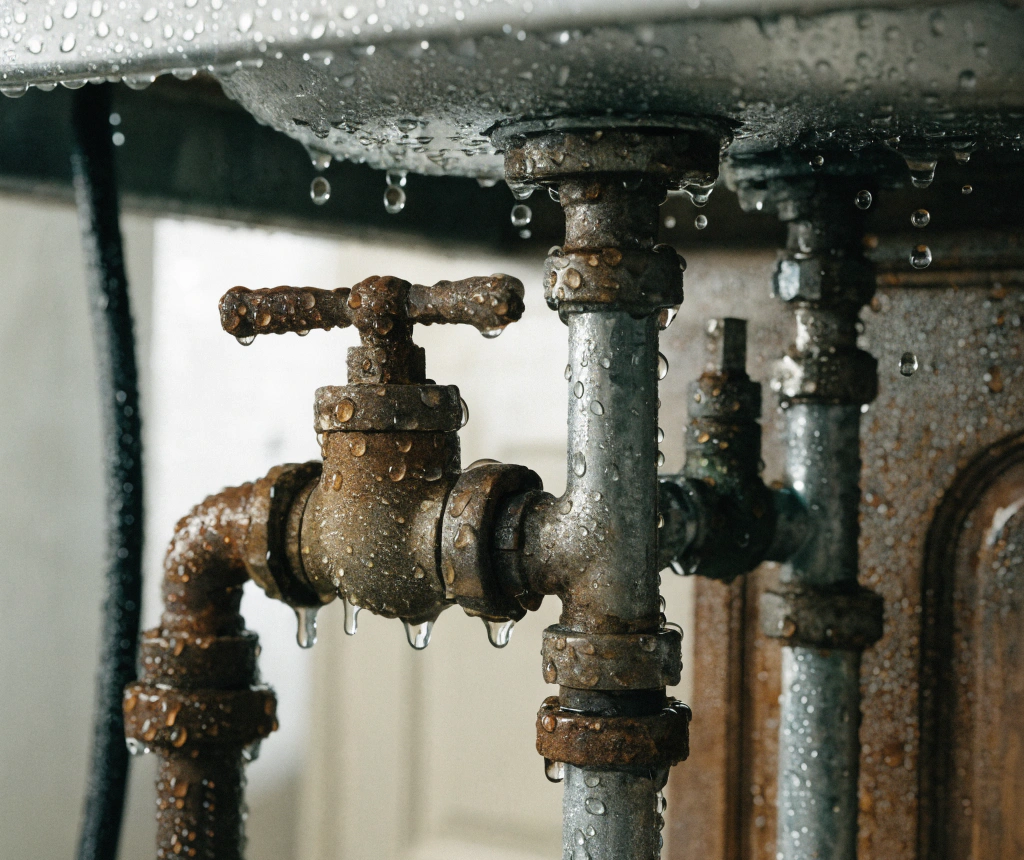
보호 코팅이 없으면 이 응결 현상이 나무 바닥과 싱크대 아래 캐비닛 벽에 자유롭게 떨어집니다. 시간이 지남에 따라 이로 인해 일련의 문제가 발생합니다.
- 목재 팽창 및 뒤틀림: 반복적으로 습기에 노출되면 캐비닛 패널이 물을 흡수하고 부풀어 오르며 결국 변형됩니다.
- 곰팡이 및 곰팡이 성장: The damp, enclosed environment under a sink is ideal for mold colonies, which pose health risks and produce persistent odors.
- Accelerated corrosion: Standing moisture on metal plumbing components accelerates rust and corrosion of pipes, clips, and hardware.
- Structural cabinet damage: Prolonged moisture ingress can compromise the structural integrity of the cabinetry itself, leading to costly replacements.
According to kitchen industry best practices, a properly applied anti-condensation coating is one of the most cost-effective ways to prevent these downstream issues — an insight echoed by professionals in both residential renovation and commercial kitchen design.
How the Coating Works: Thermal Insulation and Moisture Barrier in One
A quality anti-condensation coating performs two functions simultaneously:
- Thermal insulation: By adding an insulating layer between the cold steel and the warm cabinet air, the coating reduces the temperature differential at the metal surface. This slows or prevents the point at which condensation forms.
- Physical moisture barrier: Even on particularly cold days when some condensation still forms, the coating traps and holds any moisture rather than letting it drip. The insulating material absorbs minor condensation before it can migrate to the cabinet below.
Some higher-specification coatings also contribute modestly to water temperature retention inside the bowl itself — a secondary benefit in kitchens where maintaining warm wash water for longer periods is valued.
The thickness and uniformity of the coating matter enormously. A thin or unevenly applied coating leaves cold spots on the steel surface — areas where condensation can still form and, over time, where rust or corrosion may begin. This is why coating quality is a key differentiator between manufacturers, not just the presence or absence of the coating itself.
Anti-Condensation Coating vs. Sound Deadening: Understanding the Difference
It is common for buyers to confuse anti-condensation coating with sound-deadening pads, since both are applied to the underside of the sink. They are related but serve distinct purposes:
- 사운드 데드 닝 패드 (typically EVA foam or rubber) are attached to the flat surfaces of the sink base and sides. They absorb vibration and reduce the metallic ringing noise caused by running water or dishes striking the basin.
- Anti-condensation coating is a sprayed or adhered compound that covers the pads and the remaining bare steel on the underside. It provides the thermal and moisture-barrier function.
In a well-constructed sink, these two systems are layered: the sound pad is affixed first, then the anti-condensation coating is sprayed over and around it. You can learn more about how sound deadening contributes to overall sink quality in our article on the role of sound deadening in stainless steel sink quality.
Be ware of manufacturers who use only a rubber pad and market it as condensation protection — a rubber pad alone does not provide adequate moisture-barrier performance. The combination of both systems is the industry standard for premium sinks.
What to Look for When Buying a Stainless Steel Sink
Whether you are outfitting a single home kitchen or sourcing sinks for a large residential or commercial project, here are the key indicators of a well-coated, high-quality stainless steel sink:
- Coating coverage: The undercoating should cover the full underside of the basin, not just a small central pad. Full coverage ensures no cold spots remain on exposed steel.
- Coating material quality: Look for food-safe, non-toxic compounds. Poor-quality rubber coatings can deteriorate over time and emit odors as they degrade.
- Combination with EVA sound pads: EVA (ethylene-vinyl acetate) foam pads are lightweight, environmentally stable, and resistant to moisture and decay — superior to heavy rubber pads that can rot and smell over time.
- Steel grade: Anti-condensation coating is most effective on high-grade steel. Grade 304 stainless steel (18/10 CrNi) offers the best baseline corrosion resistance, ensuring the coating has a solid, long-lasting substrate to adhere to.
- Gauge thickness: Thicker steel (16-gauge vs. 18-gauge) is inherently more thermally stable and less prone to rapid temperature swings, complementing the coating’s performance. See our overview of 16-gauge stainless steel sinks for more details.