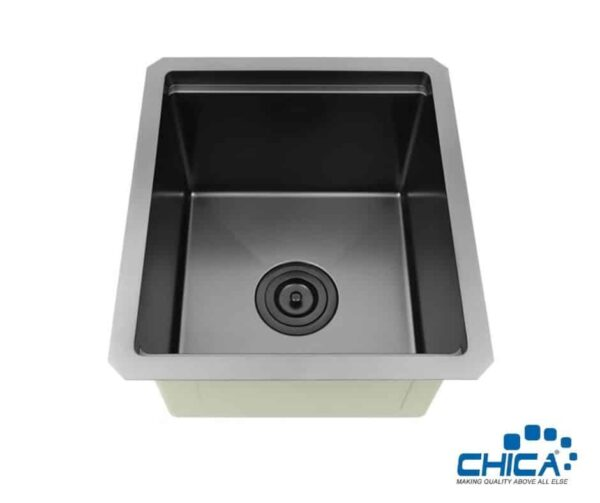


Yeni bir mutfak lavabosu için alışveriş yaparken çoğu ev sahibi ve satın alma uzmanı bariz özelliklere odaklanır: çanak derinliği, çelik ölçü ve yüzey kalitesi. Kontrol listesinde nadiren yer alan, ancak bir lavabonun yıllar boyunca ne kadar iyi dayanabileceğini sessizce belirleyen şey, yoğuşma önleyici kaplama alt kısmına uygulandı. Bu mütevazi koruma katmanı, onlarca yıl boyunca kuru ve yapısal olarak sağlam kalan bir mutfak dolabı ile kurulumdan sonraki birkaç yıl içinde deforme olan, şişen veya küflenen bir mutfak dolabı arasındaki fark anlamına gelebilir.
Chica Dragon'da yoğuşma önleyici kaplamayı ürünümüze yerleştiriyoruz. paslanmaz çelik mutfak lavaboları standart bir özelliktir çünkü mutfak kalitesinin ev sahibinin göremediği her yüzeye yayılması gerektiğine inanıyoruz. İşte bu kritik teknoloji hakkında bilmeniz gerekenler.
Yoğuşma Önleyici Kaplama Nedir?
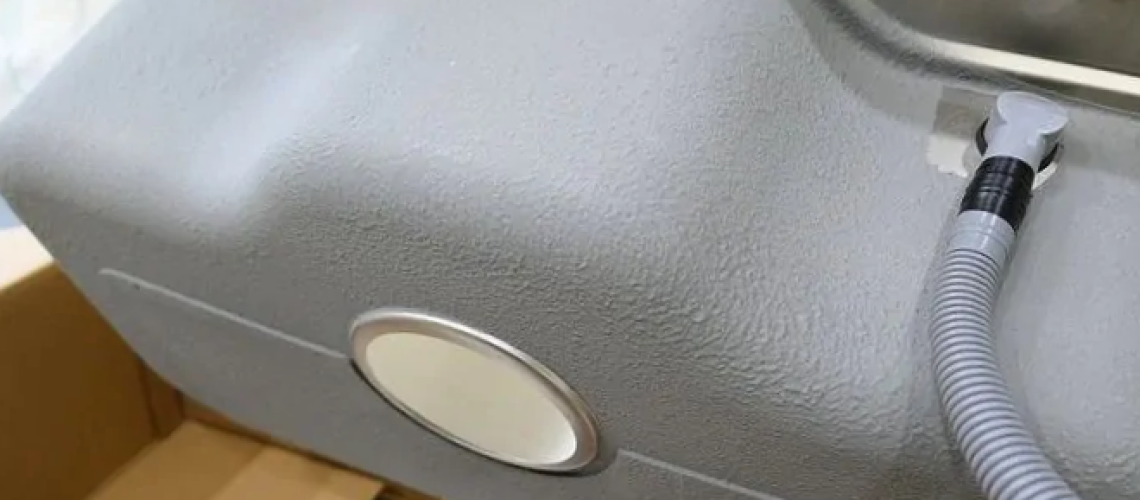
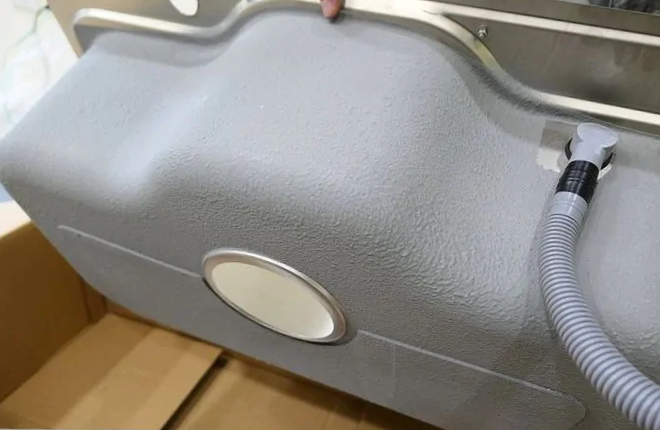
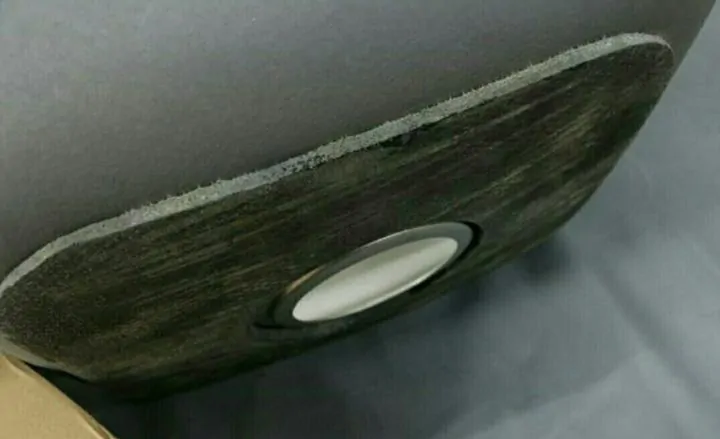
Yoğuşma önleyici kaplama (aynı zamanda alt kaplama veya yoğuşma önleyici kaplama olarak da anılır) bir katmandır. Paslanmaz çelik lavabonun dış alt kısmına uygulanan yalıtım malzemesi. Tipik olarak, lavabo imal edildikten sonra ve fabrikadan çıkmadan önce doğrudan çeliğe bağlanan kauçuklu bir bileşik, lateks bazlı sprey veya kapalı hücreli köpüktür.
İyi tasarlanmış bir lavaboda bu kaplama, EVA köpük veya kauçukla birlikte çalışır ses sönümleyici ped Kasenin alt tarafında çift katmanlı bir sistem oluşturmak için. Bu iki katman birlikte hem akustik performansı hem de nem yönetimini ele alıyor; giriş seviyesi paslanmaz çelik lavabolarla ilgili en yaygın şikayetlerden ikisi.
Lavabo kurulduktan sonra kaplama görünmez. Dolabın iç kısmına bakar ve işini tamamen gözden uzakta yapar. Bu, üreticilerin bu noktada işin kolayına kaçmasını kolaylaştırıyor ve alıcıların tam olarak neden ne isteyeceklerini bilmeleri gerekiyor.
Paslanmaz Çelik Üzerinde Yoğuşmanın Arkasındaki Bilim
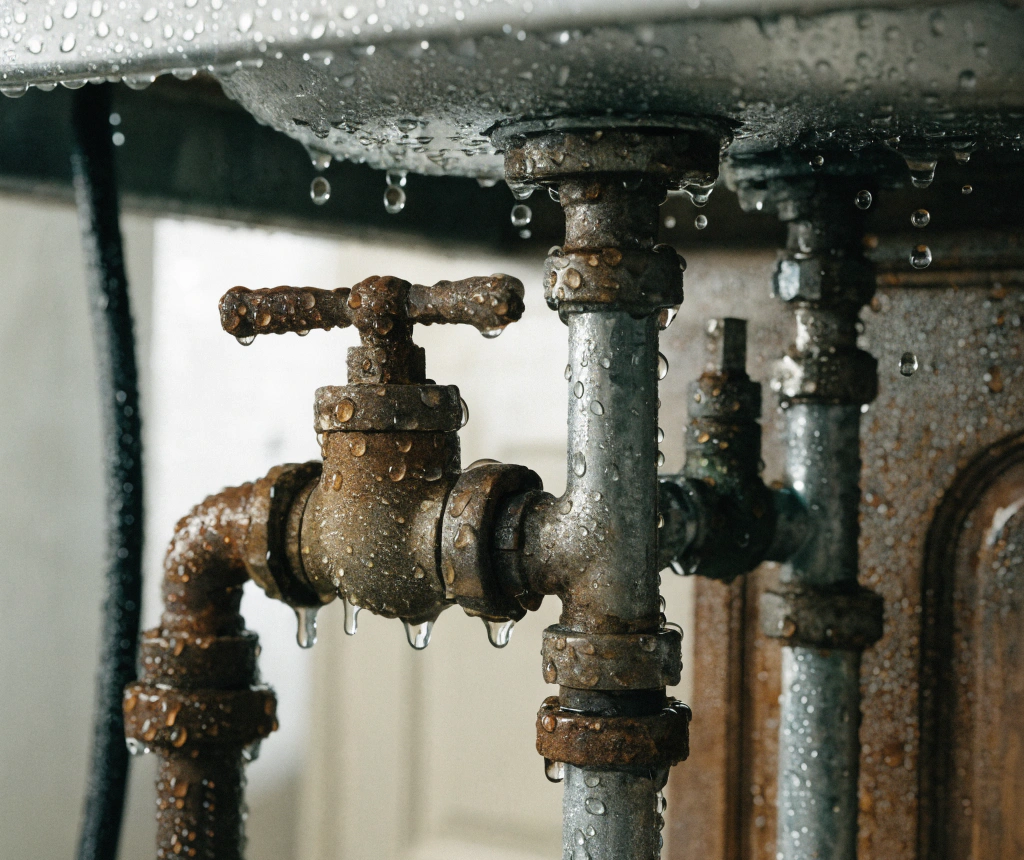
Paslanmaz çelik mükemmel bir termal iletkendir. Lavabodan soğuk su aktığında veya kışın dış ortam sıcaklıkları düştüğünde, lavabonun alt tarafı hızla soğuyabilir. Sıcak, nemli mutfak havası daha sonra soğuk metal yüzeyle temas eder ve su buharı sıvı damlacıkları halinde yoğunlaşır. Bir yaz gününde soğuk bir bardağın “terlemesine” neden olan fiziksel sürecin aynısıdır.
Koruyucu bir kaplama olmadığında bu yoğuşma, ahşap zemine ve lavabonun altındaki dolabın duvarlarına serbestçe damlıyor. Zamanla bu, bir dizi soruna neden olur:
- Ahşabın şişmesi ve eğrilmesi: Tekrarlanan neme maruz kalma, kabin panellerinin suyu emmesine, şişmesine ve sonunda deforme olmasına neden olur.
- Küf ve küf gelişimi: Lavabonun altındaki nemli, kapalı ortam, sağlık açısından risk oluşturan ve kalıcı kokular üreten küf kolonileri için idealdir.
- Hızlandırılmış korozyon: Metal tesisat bileşenleri üzerinde duran nem, boruların, klipslerin ve donanımların paslanmasını ve korozyonunu hızlandırır.
- Yapısal kabin hasarı: Uzun süreli nem girişi, kabinin yapısal bütünlüğünü tehlikeye atabilir ve bu da maliyetli değiştirmelere yol açabilir.
Mutfak endüstrisinin en iyi uygulamalarına göre, düzgün bir şekilde uygulanan yoğuşma önleyici kaplama, bu aşağı yöndeki sorunları önlemenin en uygun maliyetli yollarından biridir; bu, hem konut yenileme hem de ticari mutfak tasarımındaki profesyoneller tarafından da dile getirilen bir anlayıştır.
Kaplama Nasıl Çalışır: Isı Yalıtımı ve Nem Bariyeri Bir Arada
Kaliteli bir yoğuşma önleyici kaplama aynı anda iki işlevi yerine getirir:
- Isı yalıtımı: Kaplama, soğuk çelik ile sıcak kabin havası arasına yalıtım katmanı ekleyerek metal yüzeydeki sıcaklık farkını azaltır. Bu, yoğunlaşmanın oluştuğu noktayı yavaşlatır veya önler.
- Fiziksel nem bariyeri: Bir miktar yoğuşmanın oluştuğu özellikle soğuk günlerde bile, kaplama nemi damlatmak yerine hapseder ve tutar. Yalıtım malzemesi, aşağıdaki kabine geçmeden önce küçük yoğuşmayı emer.
Bazı yüksek spesifikasyonlu kaplamalar da orta düzeyde katkıda bulunur. su sıcaklığı tutma kasenin içinde — sıcak yıkama suyunun daha uzun süre muhafaza edilmesine değer verilen mutfaklarda ikincil bir fayda.
Kaplamanın kalınlığı ve düzgünlüğü son derece önemlidir. İnce veya eşit olmayan bir şekilde uygulanan kaplama, çelik yüzeyinde soğuk noktalar bırakır; bunlar, yoğuşmanın hala oluşabileceği ve zamanla pas veya korozyonun başlayabileceği alanlardır. Bu nedenle kaplama kalitesi, yalnızca kaplamanın varlığı veya yokluğu değil, üreticiler arasında önemli bir fark yaratan unsurdur.
Yoğuşma Önleyici Kaplama ve Ses Yalıtımı: Farkı Anlamak
Her ikisi de lavabonun alt tarafına uygulandığından, alıcıların yoğuşma önleyici kaplamayı ses yalıtımlı pedlerle karıştırması yaygındır. Bunlar birbiriyle ilişkilidir ancak farklı amaçlara hizmet eder:
- Ses geçirmez pedler (tipik olarak EVA köpük veya kauçuk) lavabo tabanının ve yanlarının düz yüzeylerine yapıştırılır. Titreşimi emerler ve akan suyun veya lavaboya çarpan bulaşıkların neden olduğu metalik çınlama sesini azaltırlar.
- Yoğuşma önleyici kaplama pedleri ve alt tarafta kalan çıplak çeliği kaplayan, püskürtülen veya yapıştırılan bir bileşiktir. Termal ve nem bariyeri fonksiyonunu sağlar.
İyi inşa edilmiş bir lavaboda bu iki sistem katmanlıdır: önce ses pedi yapıştırılır, ardından yoğuşma önleyici kaplama bunun üzerine ve çevresine püskürtülür. Ses yalıtımının genel lavabo kalitesine nasıl katkıda bulunduğu hakkında daha fazla bilgiyi şu makalemizde bulabilirsiniz: paslanmaz çelik lavabo kalitesinde ses yalıtımının rolü.
Yalnızca lastik ped kullanan ve bunu yoğuşma koruması olarak pazarlayan üreticilere karşı dikkatli olun; lastik ped tek başına yeterli nem bariyeri performansı sağlamaz. Her iki sistemin birleşimi birinci sınıf lavabolar için endüstri standardıdır.
Paslanmaz Çelik Lavabo Alırken Nelere Dikkat Edilmeli?
İster tek bir ev mutfağını donatıyor olun ister büyük bir konut veya ticari proje için lavabo tedarik ediyor olun, iyi kaplanmış, yüksek kaliteli bir paslanmaz çelik lavabonun temel göstergeleri şunlardır:
- Kaplama kapsamı: Astar sadece küçük bir merkezi pedi değil, lavabonun alt tarafının tamamını kaplamalıdır. Tam kaplama, açıkta kalan çelikte soğuk noktaların kalmamasını sağlar.
- Kaplama malzemesi kalitesi: Gıda açısından güvenli, toksik olmayan bileşikler arayın. Düşük kaliteli kauçuk kaplamalar zamanla bozulabilir ve bozuldukça koku yayabilir.
- EVA ses pedleriyle kombinasyon: EVA (etilen-vinil asetat) köpük pedler hafiftir, çevresel açıdan stabildir ve neme ve çürümeye karşı dayanıklıdır; zamanla çürüyebilen ve kokabilen ağır lastik pedlerden daha üstündür.
- Çelik kalitesi: Yoğuşma önleyici kaplama, yüksek kaliteli çelik üzerinde en etkilidir. 304 kalite paslanmaz çelik (18/10 CrNi) en iyi temel korozyon direncini sunarak kaplamanın tutunacak sağlam, uzun ömürlü bir alt tabakaya sahip olmasını sağlar.
- Gösterge kalınlığı: Daha kalın çelik (16 kalibreye karşı 18 kalibre) doğası gereği termal olarak daha stabildir ve hızlı sıcaklık dalgalanmalarına daha az eğilimlidir, bu da kaplamanın performansını tamamlar. Genel bakışımıza bakın 16 ayarlı paslanmaz çelik lavabolar daha fazla ayrıntı için.