


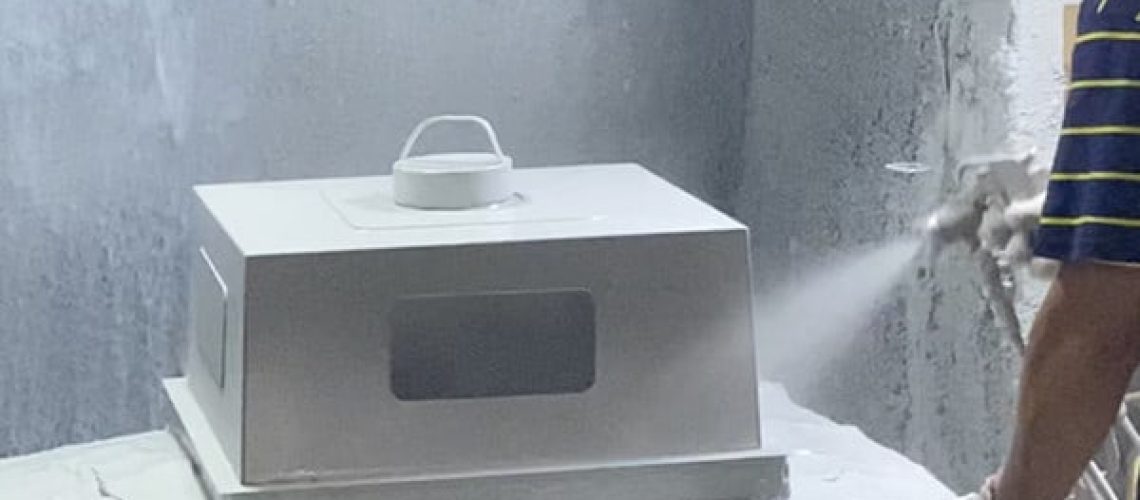
고품질 스테인리스 스틸 싱크대에 내장된 두 가지 기능이 함께 작동하여 소스에서 이 문제를 해결합니다. 스프레이식 소음 감소 코팅과 결합된 고무 사운드 패드입니다. 이 두 가지 기능은 진동이 이동하기 전에 흡수하고, 강철 세면대의 공명을 약화시키며, 작업 중인 주방의 소음 프로필을 진정으로 편안한 수준으로 낮춥니다. 이는 마케팅 추가 기능이 아닙니다. 이는 엔지니어링 솔루션이며, 그 존재 여부에 따라 설치하게 될 모든 싱크의 음향 성능이 결정됩니다.
문제의 원인: 스테인레스 스틸이 소음을 증폭시키는 이유
스테인레스 스틸은 내구성, 위생성, 부식 방지성 및 상대적으로 가벼운 물리적 특성 때문에 주방 싱크대용으로 높이 평가됩니다. 그러나 동일한 특성으로 인해 효과적인 음향 전도체가 됩니다. 강철은 내부 감쇠가 낮은 견고한 재료입니다. 즉, 기계적 에너지(작동 처리로 인한 진동, 팬이 떨어지는 충격, 흐르는 물의 압력)가 강철에 가해지면 에너지가 빠르게 소멸되지 않습니다. 대신, 물질을 통해 이동하여 소리로 외부로 방출됩니다.
쓰레기 처리는 이를 상당히 복잡하게 만듭니다. 처리기가 작동 중일 때 모터의 회전 진동과 음식물 분쇄기의 기계적 충격이 모두 발생합니다. 이러한 진동은 배수구 어셈블리를 통해 싱크대 세면대로 직접 전달됩니다. 댐핑 메커니즘이 없으면 싱크의 얇은 강철 벽이 본질적으로 스피커 콘 역할을 하여 기계적 진동을 놀라운 효율성으로 공기 전달 소리로 변환합니다.
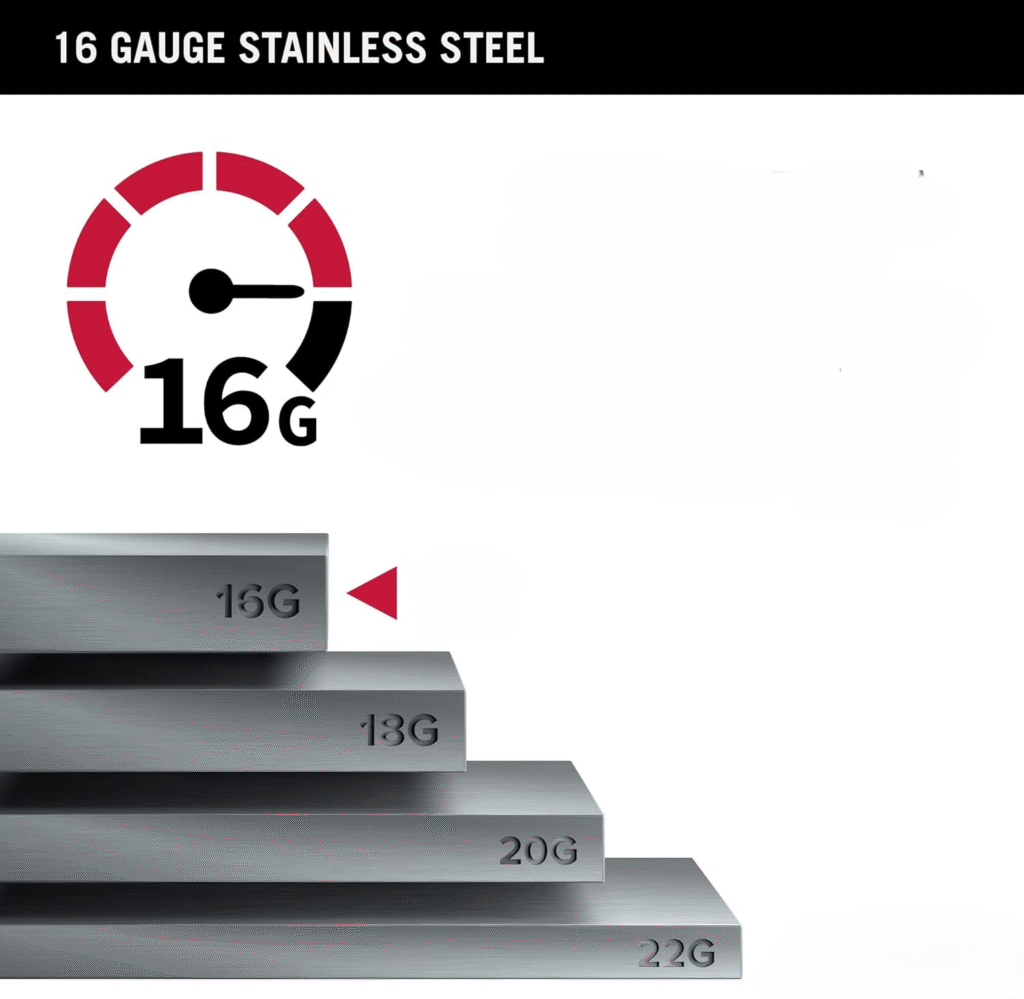
여기에서 강철의 게이지가 중요합니다. 두꺼운 16게이지 강철은 18게이지보다 질량이 더 커서 진동에 대한 자연스러운 저항력을 제공합니다. 그러나 게이지만으로는 문제를 해결하기에 충분하지 않습니다. 무거운 16게이지 싱크라도 적절한 댐핑 없이는 울리고 공명할 수 있습니다. 이 솔루션에는 세면대 자체 표면의 진동을 해결하는 다른 접근 방식이 필요합니다.
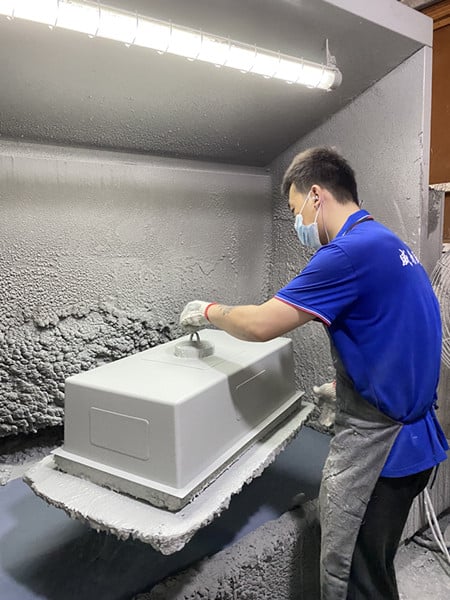
소음 감소 코팅: 최전방 방어선
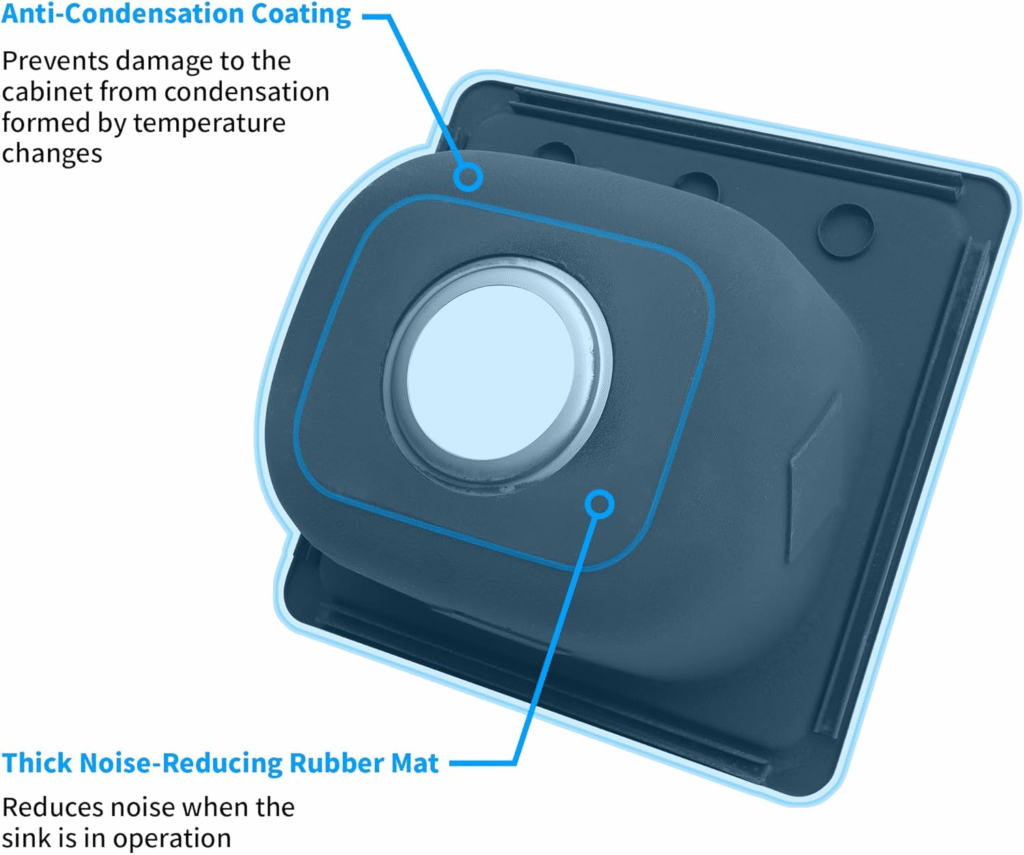
언더코팅 또는 음향 스프레이라고도 하는 소음 감소 코팅은 제조 과정에서 싱크대 아래쪽에 적용됩니다. 이는 일반적으로 강철에 결합되어 세면대의 평평한 패널 전체에 점탄성 층을 형성하는 고무 또는 역청 화합물입니다.
그 뒤에 있는 물리학은 간단합니다. 점탄성 물질은 기계적 에너지를 흡수하여 이를 소리로 방출하는 대신 무시할 수 있는 양의 열로 변환합니다. 세면대가 진동하면 코팅층도 함께 휘어지며 그 과정에서 에너지가 소산됩니다. 그 결과 공진이 크게 감소합니다. 코팅이 없으면 강철은 자유롭게 또는 큰 소리로 진동할 수 없습니다.
효과적인 사운드 코팅과 미용 적용의 차이점은 다음과 같습니다.
- 적용 범위. 고품질 코팅은 모든 대형 평면 패널의 밑면(세면기 바닥과 측벽) 전체를 덮습니다. 부분적으로만 적용하면 노출된 영역이 계속 자유롭게 공명하여 코팅된 부분의 이점이 약화됩니다.
- 층 두께. 더 두꺼운 적용은 더 많은 감쇠 질량을 제공하고 더 많은 에너지를 흡수합니다. 얇거나 균일하지 않은 적용은 음향적 이점을 크게 감소시킵니다.
- 채권 무결성. 코팅은 전체 사용 수명 동안 강철에 단단히 부착되어야 합니다. 코팅이 강철에서 분리되는 박리 현상은 댐핑 성능을 저하시킬 뿐만 아니라 습기를 가두어 세면기 밑면에 부식 위험을 초래할 수 있습니다.
실제로 스프레이 코팅은 흐르는 물, 분쇄 및 처리 모터의 고속 회전으로 인해 발생하는 고주파 진동을 특히 잘 처리합니다. 공명이 가장 큰 대형 평면 패널에 적용할 때 가장 효과적입니다.
고무 사운드 패드: 가장 중요한 부분을 타겟으로 한 댐핑
스프레이 코팅은 넓은 표면적을 커버하지만, 고무 사운드 패드는 목표한 댐핑을 제공합니다. 가장 큰 기계적 응력을 받는 싱크대 지점. 이 패드는 두꺼운 고무 또는 네오프렌 패드로, 세면기 밑면의 특정 위치(일반적으로 바닥 패널과 배수구 주변 영역)에 미리 접착되어 있습니다.
그들의 역할은 두 가지입니다. 첫째, 공진이 가장 발생하기 쉬운 세면대 영역에 집중된 질량을 추가하여 해당 패널을 더 무겁게 만들고 진동을 설정하기 어렵게 만듭니다. 둘째, 폐기 관련 소음의 경우 더 중요하게는 배수구 어셈블리와 싱크 본체 사이의 직접적인 진동 경로를 방해합니다. 폐기 진동은 배수구를 통해 배수구에 있는 배수조로 이동하기 때문에 해당 구역에 댐핑 패드를 배치하면 에너지가 전체 배수조에 퍼지기 전에 에너지가 차단됩니다.
사운드 패드의 주요 성능 요소는 다음과 같습니다.
- 재료 밀도. 밀도가 높은 고무는 더 많은 진동 에너지를 흡수합니다. 때때로 비용 절감 대체품으로 사용되는 얇은 폼 패드는 고밀도 고무나 네오프렌에 비해 최소한의 격리 기능을 제공합니다.
- 접착 방법. 패드는 싱크대에 견고하고 영구적으로 접착되어야 합니다. 느슨하게 부착되거나 압력에 민감한 패드는 시간이 지남에 따라 이동하거나 분리되거나 습기를 가두어 유지 관리 책임이 발생할 수 있습니다.
- 놓기. 배수 구역과 베이스 패널 노드의 전략적 배치는 폐기 및 물 소음에 가장 큰 영향을 미치는 특정 진동 패턴을 목표로 합니다.
스프레이 코팅과 고무 패드의 조합은 중복되지 않습니다. 두 기술은 서로 다른 주파수와 다양한 표면 유형에서 작동합니다. 코팅은 넓은 영역의 고주파 공진을 처리합니다. 패드는 특히 폐기와 같은 기계적 소스에서 발생하는 집중된 저주파 진동을 처리합니다. 두 가지를 함께 사용하면 단독으로 달성할 수 있는 것보다 훨씬 더 조용한 싱크대가 생성됩니다.
싱크대에 둘 다 없으면 어떻게 되나요?
보급형 스테인리스 스틸 싱크대는 소음 감소 처리가 전혀 없이 제조되는 경우가 많습니다. 비용 절감은 현실적이지만 미미하며, 설치 후 며칠 내에 절충안이 분명해집니다. 탭을 실행하면 속이 빈 금속성 에코가 생성됩니다. 식기를 대야에 떨어뜨리면 날카롭고 관통하는 고리가 생성됩니다. 쓰레기 처리를 활성화하면 조리대를 통해 느껴지고 인접한 방에서 명확하게 들을 수 있는 진동이 생성됩니다.
주방이 거실이나 식사 공간에 직접 연결되는 개방형 생활 공간에 있는 가구의 경우, 이 소음 프로필은 일상의 편안함에 의미 있는 영향을 미칩니다. 주방은 점점 더 가정의 사회적 중심지가 되고 있으며, 모든 작동 소리를 증폭시키는 싱크대는 현대식 주방 디자인이 만들고자 하는 환경을 훼손합니다.
폐기 관련 소음이 단순한 불편함이 아니라는 점도 주목할 만하다. 전달된 진동은 폐기 장치와 배수 장치 사이의 연결 지점의 마모를 가속화하고 시간이 지남에 따라 장착 하드웨어가 느슨해지는 원인이 될 수 있습니다. 진동을 전달하는 대신 흡수하는 싱크대는 더 조용할 뿐만 아니라 배관 시스템 전체에서 기계적으로 더 쉽습니다.
What to Look for When Evaluating a Sink’s Sound Performance
When comparing stainless steel sinks, ask specific questions about how sound dampening is implemented rather than accepting vague claims about being “quiet” 또는 “sound-absorbing.” The following checklist reflects the features that genuinely differentiate acoustic performance:
- Full-coverage sprayed coating on the underside. Ask whether coating covers all major flat panels — base and sidewalls — not just a partial application on the bottom.
- Thick, high-density rubber pads, bonded permanently to the basin. Request specification on pad material and adhesion method.
- 16-gauge steel construction. Heavier gauge provides a foundational level of vibration resistance that complements the damping system.
- 제조업체 투명성. 평판이 좋은 제조업체는 기능 이름으로만 참조하는 대신 제품 설명서에 음향 처리의 유형과 적용 범위를 명시합니다.
코팅과 패드 중 하나만이 아니라 둘 다 존재하는 것은 전문적으로 설계된 싱크대에서 찾아야 할 표준입니다. 브랜드의 일반 라인이 아닌 고려 중인 특정 제품에 이러한 기능이 포함되어 있는지 확인하는 것도 가치가 있습니다. 이러한 기능이 제조업체의 전체 제품군에 걸쳐 항상 일관되지는 않기 때문입니다.
스테인레스 스틸의 종류에 따라 차이가 있나요?
그렇습니다. 강철의 등급과 게이지는 중요한 방식으로 댐핑 시스템과 상호 작용합니다. T304 스테인레스 스틸18% 크롬과 10% 니켈로 구성된 업계 벤치마크는 낮은 등급의 201 강철과 다른 특정 음향 특성을 가지고 있습니다. T304는 밀도가 높고 단단하여 다양한 주파수에서 공명하는 방식에 영향을 미칩니다. 코팅과 패드로 적절히 감쇠하면 T304 싱크는 수십 년 동안 사용할 수 있는 일관된 음향 성능을 제공합니다. 낮은 등급의 강철은 부식 위험이 더 클 뿐만 아니라 공명 프로파일도 예측하기 어렵습니다.
게이지는 여기서도 관련성을 유지합니다. 완전한 음향 처리를 갖춘 16게이지 T304 싱크는 까다로운 가정 환경에서 뛰어난 사운드 성능을 제공할 가능성이 가장 높은 조합을 나타냅니다. 동일한 처리를 적용한 18게이지 싱크는 처리되지 않은 18게이지 싱크보다 조용하지만 더 무거운 게이지 옵션과 동일한 소음 수준에 도달하지는 않습니다. 폐기 소음이 특히 우려되는 경우 16게이지로 업그레이드하는 것은 투자할 가치가 있습니다.

수제 싱크대와 스탬프가 찍힌 싱크대:
제조 방법이 음향 성능에 영향을 미치나요?
숙련된 기술자가 레이저 절단, 굽힘 및 수동 용접을 통해 제작한 수제(수작업) 싱크대는 일반적으로 더 두꺼운 강철(주로 16게이지 이상)을 사용하며 치수 공차가 더 엄격하고 세면대 전체에 걸쳐 벽 두께가 더 일관됩니다. 이러한 특성은 코팅과 패드가 작용할 수 있는 보다 예측 가능한 댐핑 표면을 만듭니다.
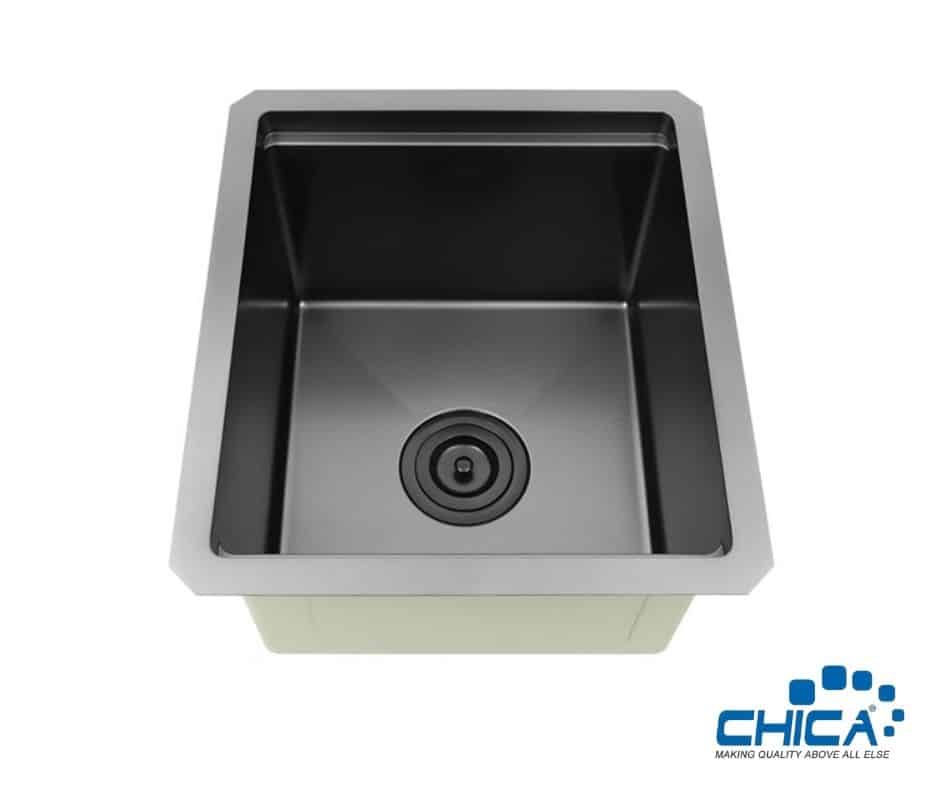
프레스(스탬프) 싱크는 강판을 다이에 수압으로 눌러 형성됩니다. 제조 과정에서 유역 전반에 걸쳐 가변적인 얇아짐이 발생합니다. 즉, 취출 깊이가 큰 영역은 공칭 게이지보다 얇아집니다. 이러한 불균일한 두께는 덜 일관된 음향 동작을 생성하여 전체 감쇠 범위를 더욱 중요하게 만들 수 있습니다.
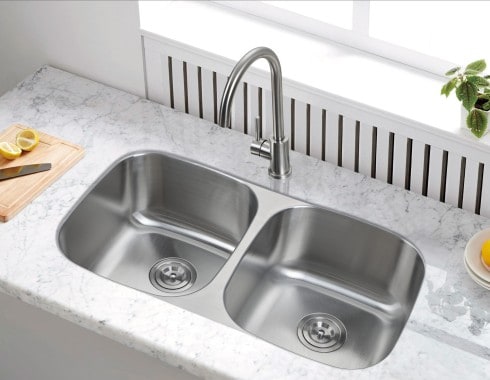
두 가지 싱크 유형 모두 방음 코팅과 고무 패드로 인해 상당한 이점을 얻을 수 있지만, 수제 싱크의 구조적 일관성은 댐핑 시스템이 최적으로 작동할 수 있는 더 나은 기반을 제공합니다. 사운드 성능이 최우선인 주방의 경우, 완벽한 음향 처리가 적용된 수제 16게이지 T304 싱크대가 목표로 하는 사양입니다.
부엌의 소음은 빨리 적응하고 구매 결정에 고려하는 것을 잊어버리는 문제 중 하나입니다. 조용한 싱크대에서 생활하고 그 차이가 얼마나 중요한지 깨닫기 전까지는 말이죠. 소음 감소 코팅과 고무 패드는 고급 제품에만 있는 프리미엄 기능이 아닙니다. 이는 잘 만들어진 스테인리스강 싱크대에 표준으로 포함되어야 하는 엔지니어링 기본 사항입니다. 다음 싱크를 평가할 때 이 두 가지 기능을 체크리스트의 맨 위에 두십시오. 그 밖의 모든 것은 실제로 보이는 것만큼 좋은 주방을 만드는 데 부차적인 것입니다.
Chica Dragon 스테인레스 스틸 싱크 살펴보기
~에 치카드래곤, 모든 스테인레스 스틸 싱크대 우리 라인업에는 업그레이드가 아닌 스프레이형 소음 감소 코팅과 두꺼운 고무 사운드 패드가 표준으로 설계되었습니다. 싱크대는 16게이지 및 18게이지의 T304 스테인레스 스틸(18% 크롬, 10% 니켈)로 제조되며 정밀 스탬핑(프레스 싱크)과 수제의 두 가지 방법으로 생산됩니다. 후자는 레이저 절단, 굽힘 및 숙련된 수동 용접을 통해 제작되어 일관성과 내구성을 극대화합니다.
언더마운트, 상단 마운트, 듀얼 마운트, 에이프런 전면 및 워크스테이션 구성으로 제공되는 당사 제품군은 모든 설치 요구 사항과 주방 미적 요구 사항을 충족합니다. 모든 싱크대는 cUPC 및 ISO 9001 인증을 받았으며 15년 보증이 제공됩니다. 사운드 성능이 귀하에게 중요하다면 우리에게도 중요합니다. 방문하다 www.chicadragon.com 전체 스테인레스 스틸 싱크대 컬렉션을 살펴보세요.
